 By - Akhilesh Sharma
Work - Educator(Exp 15 Years)
Tips for roof repairs during the winter in New Jersey.
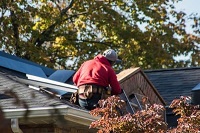
Roof repairs during the winter in New Jersey pose unique challenges as the cold temperatures, snowfall, and icy conditions significantly impact the process. The frigid weather can make materials less pliable, affecting their installation and adherence. Cold temperatures can also compromise the effectiveness of adhesives and sealants, potentially leading to less durable repairs. Additionally, the presence of snow and ice on the roof creates potential safety hazards for workers, making it essential to prioritize safety measures. Moreover, the winter weather in New Jersey tends to persist for an extended period, requiring careful planning and strategic scheduling of repairs. Snow accumulation can further impede access to the roof and complicate the identification of underlying issues. Roofing professionals need to be equipped with the right tools and materials designed to withstand cold conditions. To mitigate these challenges, it is advisable to schedule roof inspections and repairs during milder days or choose materials specifically formulated for cold weather applications. Snow removal before commencing repairs is crucial to ensure a clear and safe working environment. Adequate safety measures, including the use of harnesses and non-slip footwear, become imperative to prevent accidents. By considering these factors, homeowners and contractors can navigate the complexities of winter roof repairs in New Jersey more effectively, ensuring both safety and the longevity of the repairs.
Safety First
Ensuring safety is paramount when undertaking roof repairs. Prioritize the well-being of both yourself and any involved contractors by implementing stringent safety measures. Wear non-slip footwear to navigate potentially icy surfaces, reducing the risk of slips and falls. Utilize safety harnesses to secure workers, especially when dealing with elevated areas. Avoid conducting repairs during adverse weather conditions, such as heavy snowfall or freezing rain, to minimize hazards.
Emergency Repairs:**
When faced with roof emergencies during the winter in New Jersey, swift and strategic actions are crucial. Prioritize addressing immediate concerns or leaks promptly to prevent further damage to your home. Winter weather can exacerbate roofing issues, making timely emergency repairs essential for protecting your property.
Utilize temporary measures such as tarping to cover exposed areas until a more comprehensive repair can be undertaken. Tarping serves as a quick and effective solution to prevent water infiltration, especially during snow or freezing rain. Ensure the tarp is securely fastened to withstand winter winds and adverse weather conditions.
Emergency repairs should be approached with a sense of urgency, as delays can lead to escalated damage and increased repair costs. Identify the source of leaks or vulnerabilities in the roof, and implement temporary fixes to mitigate immediate risks. While these measures are interim solutions, they provide a critical barrier against further water damage, protecting the interior of your home.
Coordinate with professional roofing services to conduct a thorough assessment and plan for permanent repairs once weather conditions allow. Effective emergency repairs during winter not only safeguard your home from immediate threats but also contribute to the overall resilience and longevity of your roofing system. Acting promptly in emergency situations is a proactive step towards minimizing potential winter-related damages to your home's structure and interior.
Professional Inspection
Considering a professional roofing contractor for a comprehensive winter inspection is a prudent step in maintaining a secure and resilient roof. Professional inspectors possess the expertise to identify issues that might not be apparent to the untrained eye, ensuring a thorough assessment of your roof's condition.
Hiring a roofing professional becomes particularly crucial during winter when the harsh weather conditions can exacerbate existing problems or create new challenges. These experts can evaluate the integrity of your roof, identify areas of weakness, and propose effective solutions tailored to winter-specific concerns.
Professional inspections often encompass a detailed examination of shingles, flashing, seals, and overall structural integrity. Roofing contractors can assess the impact of winter weather, such as ice dams, snow accumulation, and freezing temperatures, on your roof's performance. By addressing potential issues promptly, you can prevent more extensive damage that may arise during the winter months.
The recommendations provided by roofing professionals serve as valuable insights for prioritizing and executing necessary winter repairs. Whether it involves fixing leaks, reinforcing insulation, or replacing damaged shingles, a professional inspection lays the groundwork for targeted and effective interventions, enhancing your roof's resilience in the face of winter challenges. Engaging skilled roofing contractors ensures that your roof is well-prepared to withstand the rigors of the winter season, promoting the longevity and durability of your roofing system.
Dealing with Snow and Ice:
Effectively managing snow and ice on your roof is crucial during winter to prevent structural damage and leaks. However, it's essential to approach this task with caution and use appropriate tools to avoid causing harm to the roof material.
When dealing with snow, opt for a roof rake—a specialized tool designed for safe snow removal. This tool allows you to clear excess snow without risking damage to the roofing material. Be gentle during the process to avoid scraping or gouging the surface, as this could compromise the roof's integrity.
In areas prone to ice dams, where melted snow refreezes at the roof's edge, use the roof rake to carefully remove accumulated snow. Ice dams can lead to water backup under the shingles, causing leaks and potential structural issues. By preventing the formation of ice dams through regular snow removal, you contribute to maintaining the roof's resilience against winter challenges.
Avoid using sharp tools like ice picks, as they can cause unintended damage to the roof. The goal is to facilitate safe and controlled snow removal without compromising the roof's protective layers.
By proactively managing snow and ice with the right tools and techniques, homeowners in New Jersey can safeguard their roofs from winter-related issues, promoting a durable and weather-resistant roofing system.
Gutter Maintenance
Maintaining clear gutters is a crucial aspect of winter roof care in New Jersey. Clogged gutters can contribute to the formation of ice dams, which pose a risk of water backup, leaks, and potential structural damage.
Regularly inspect and clean gutters to remove leaves, twigs, and other debris that may accumulate, especially during the fall. When gutters are blocked, melting snow and ice have nowhere to drain, leading to the formation of ice dams along the roof's edge. As ice dams grow, they can force water under the roofing material, causing leaks and compromising the integrity of the structure.
To prevent these issues, invest time in gutter maintenance before winter sets in. Consider installing gutter guards to minimize debris buildup, making it easier to keep gutters clear. Additionally, ensure that downspouts are directing water away from the foundation to prevent ice-related issues not only on the roof but also around the home.
By prioritizing gutter maintenance, homeowners can mitigate the risk of ice dams, safeguarding their roofs and preventing potential water damage during the winter months in New Jersey.
Seal Leaks and Gaps
Effectively addressing leaks and gaps is a vital step in winter roof maintenance. Identify any areas where water may infiltrate, such as around vents, chimneys, or damaged shingles, and promptly seal them to prevent potential water damage.
Inspect the roof thoroughly for signs of deterioration, including damaged flashing or missing shingles. Even minor gaps can allow water to seep in, leading to leaks and compromising the insulation of the home. Use high-quality sealants that are designed to withstand cold temperatures, ensuring their effectiveness during the winter months in New Jersey.
Apply the sealant carefully, covering the identified leaks or gaps completely. Pay special attention to areas where different roofing materials meet, as these junctions are common sites for potential water entry. Additionally, inspect the attic for signs of water stains or mold, as these could indicate existing leaks.
Sealing leaks and gaps not only protects the integrity of the roof but also contributes to maintaining a warm and dry interior. By addressing these issues proactively, homeowners in New Jersey can prevent water-related problems and ensure their roofs are resilient in the face of winter weather challenges.
Material Considerations
Selecting the right roofing materials is crucial for ensuring the durability and performance of your roof during the winter in New Jersey. Some materials may become brittle or less effective in cold temperatures, making it essential to choose products specifically designed for cold climates.
Opt for roofing materials known for their resilience in winter conditions. Asphalt shingles, metal roofing, and rubber roofing are examples of materials that can withstand cold temperatures and harsh weather. Asphalt shingles, for instance, have proven durability and are commonly used in cold climates due to their ability to flex without cracking.
Consider the insulation properties of the chosen materials to enhance energy efficiency during the winter. Well-insulated roofing helps maintain a consistent indoor temperature, preventing heat loss and reducing energy costs.
Before making any decisions, consult with roofing professionals who are experienced in winter roof installations. They can provide guidance on the most suitable materials based on the specific climate conditions in New Jersey. Investing in quality roofing materials ensures that your roof remains robust and reliable throughout the winter months, offering protection against the elements and contributing to a comfortable living environment.
Avoid Overloading
Exercise caution regarding the weight of accumulated snow on your roof during the winter in New Jersey. A heavy snow load can exert immense pressure on the roof structure, potentially leading to structural strain or even collapse. To mitigate this risk, consider professional snow removal services.
Professional snow removal services have the expertise and equipment to safely clear snow from your roof without causing damage. They can strategically remove snow, reducing the risk of overloading while preserving the integrity of the roof. Attempting to remove snow without the right tools or techniques may inadvertently cause harm to the roof or pose safety risks.
Prioritize safety by avoiding DIY snow removal methods that involve climbing onto the roof, as this can be hazardous. Professional services ensure a thorough and safe snow removal process, safeguarding your roof and preventing potential issues associated with heavy snow loads.
By addressing snow accumulation professionally, you not only protect your roof but also contribute to the overall safety and longevity of your home's structure. Regular monitoring and timely snow removal are essential practices for maintaining a resilient and secure roof during the winter months in New Jersey.
Schedule During Milder Days
When planning roof repairs during the winter in New Jersey, strategically schedule the work on milder days when temperatures rise above freezing. Optimal repair conditions occur when the weather is relatively mild, as this enhances the pliability of roofing materials and promotes better adhesion for sealants.
Warmer temperatures allow roofing materials, such as shingles and sealants, to become more flexible and easier to work with. This is particularly important for ensuring the effectiveness of sealants used to address leaks or gaps. When applied in milder weather, sealants adhere more securely, creating a durable barrier against winter elements.
Attempting repairs in extremely cold conditions can compromise the quality of the work. Cold temperatures may cause certain materials to become brittle, reducing their effectiveness and longevity. By choosing days with milder winter weather, you optimize the conditions for successful roof repairs and contribute to the durability of the repairs over time.
Coordinating repairs with favorable weather conditions not only improves the efficiency of the repair process but also enhances the overall resilience of your roof during the challenging winter months. Prioritize scheduling repairs on days when the temperature allows for optimal material performance, ensuring a more effective and lasting solution to winter roof issues.
Plan for Delays
When undertaking roof repairs during the winter in New Jersey, it's crucial to plan for potential delays caused by unpredictable winter weather conditions. Snowstorms, extreme cold, or other adverse weather events can disrupt repair schedules and impact the safety and effectiveness of the work.
Flexibility is key in addressing these challenges. Develop a repair plan that allows for adjustments based on weather forecasts and unexpected conditions. If a snowstorm is forecasted or temperatures drop to extreme lows, consider postponing the repairs to ensure the safety of the workers and the integrity of the materials.
Additionally, communicate with your roofing contractor to establish a clear understanding of the flexibility needed in the repair timeline. A well-prepared plan for potential delays will help manage expectations and ensure that the repairs are carried out under the most favorable conditions.
By factoring in the possibility of weather-related delays, you can approach winter roof repairs with a realistic timeline and mitigate the impact of unforeseen challenges. This proactive approach contributes to the overall success and safety of the repair project, allowing for adjustments as needed to address the unique weather conditions that winter in New Jersey may present.
Ventilation Check
Before embarking on winter roof repairs in New Jersey, conduct a thorough examination of your attic ventilation system. Proper attic ventilation is essential for maintaining a balanced and controlled environment, especially during the winter months.A well-ventilated attic serves multiple purposes. It helps regulate temperature, preventing the buildup of warm air that can contribute to the formation of ice dams on the roof. Ice dams can lead to water backup and potential leaks, causing damage to the roof and interior.
Additionally, effective ventilation ensures proper air circulation, preventing moisture accumulation. Moisture in the attic can lead to mold growth and compromise the structural integrity of the roof over time. By verifying that your attic ventilation is functioning optimally, you can mitigate the risk of both ice dams and moisture-related issues.
During the inspection, check for any blockages, such as debris or insulation obstructing vents. Ensure that soffit vents, ridge vents, and other ventilation components are free from damage and working efficiently. If any issues are identified, address them promptly to enhance the overall health of your roof and minimize the risk of winter-related damage.
Use Ice and Water Shield
When undertaking winter roof repairs in New Jersey, incorporate an ice and water shield as an additional safeguard against the challenges posed by cold weather. This self-adhesive membrane, applied beneath the roofing material, acts as a formidable barrier against ice dams and potential water infiltration.
The ice and water shield is designed to create a watertight seal, particularly in vulnerable areas such as roof valleys, eaves, and around chimneys or vent pipes. It serves as a proactive defense mechanism during freezing conditions, preventing melted snow and ice from penetrating through the roof's critical points.
This shield is especially crucial in regions like New Jersey, where winter precipitation can be substantial. By installing this protective layer, you add an extra level of security to your roofing system, reducing the risk of water damage and leaks caused by ice dams.
Ensure proper installation of the ice and water shield, adhering to manufacturer guidelines and local building codes. This strategic addition enhances the resilience of your roof, offering peace of mind during the winter season and reinforcing the integrity of your home's protective covering.
Keep an Eye on Interior Signs
Vigilantly observe the interior of your home for telltale signs such as leaks, water stains, or mold during winter roof repairs in New Jersey. These indicators can signal potential issues with your roofing system, and addressing them promptly is crucial to prevent further damage.
Water stains on ceilings or walls, damp spots, or the presence of mold are red flags that warrant immediate attention. These signs often suggest that water may be infiltrating through the roof, compromising the structural integrity and insulation of your home. Timely intervention can help mitigate the extent of damage and minimize repair costs.
Regularly inspect your attic and ceiling spaces for any signs of water intrusion. Pay attention to changes in the color or texture of surfaces, as well as any musty odors, which may indicate mold growth. If you notice such signs, investigate and rectify the root cause promptly to safeguard your home against more extensive and costly issues.
By staying proactive and addressing interior signs promptly, you contribute to the overall health and longevity of your roofing system. Regular monitoring helps maintain a watertight barrier, ensuring your home remains secure and comfortable throughout the winter months in New Jersey.
Winterize Attic Insulation
During winter roof repairs in New Jersey, prioritize proper insulation in the attic to mitigate heat loss and discourage the formation of ice dams. Effective insulation plays a crucial role in maintaining a consistent temperature on the roof, safeguarding against potential issues caused by temperature differentials.
In cold climates like New Jersey, heat escaping from the interior of your home can lead to uneven snowmelt on the roof, fostering the development of ice dams. These ice dams can impede proper drainage, potentially causing leaks and structural damage. By winterizing your attic insulation, you create a barrier that minimizes heat transfer and promotes a more uniform distribution of warmth across the roof surface.
Ensure that your attic insulation is adequate and evenly distributed. Patch up any gaps, and consider adding extra insulation in areas where heat loss is more pronounced. This proactive measure not only helps prevent ice dams but also contributes to energy efficiency by reducing the strain on your heating system.
By focusing on attic insulation as part of your winter roof repair strategy, you enhance the overall resilience of your roofing system, promoting a well-protected and energy-efficient home environment in the challenging winter conditions of New Jersey.
Document Repairs
As you proceed with winter roof repairs in New Jersey, maintain detailed records of the undertaken repairs. This documentation should encompass information such as the materials utilized, specific repair procedures, and the dates when the service was conducted. Keeping accurate records serves as a valuable resource for future maintenance efforts and can be particularly crucial when dealing with insurance claims.
In the event of subsequent issues or the need for additional repairs, having a comprehensive record of past maintenance provides insights into the history of your roof's condition. It aids in identifying recurring problems, assessing the efficacy of previous solutions, and informing decisions on further interventions.
Moreover, should you need to file an insurance claim for any damages related to winter weather or other unforeseen circumstances, these records act as substantiating evidence. Insurance companies often require documentation to support your claim, and well-maintained records can streamline the claims process, potentially expediting the resolution.
By diligently documenting winter roof repairs, you not only enhance your ability to address future issues efficiently but also establish a transparent and organized record that proves invaluable for ongoing maintenance and any necessary interactions with insurance providers.
Always consider consulting with a professional roofing contractor for specific advice tailored to your roof's condition and the unique challenges posed by winter weather in New Jersey.
Winter Roof Repairs in New Jersey - Frequently Asked Questions
-
Q: Can roof repairs be done during winter in New Jersey?
A: Yes, they can, but it requires careful planning. Safety measures, suitable materials, and strategic scheduling are crucial.
-
Q: Is it safe to clear snow off the roof myself?
A: It's safer to hire professionals. If you must do it, use a roof rake, not sharp tools, and prioritize safety gear.
-
Q: How can I prevent ice dams on my roof?
A: Keep gutters clear, use an ice and water shield, and ensure proper insulation and ventilation to discourage ice dam formation.
-
Q: Can I temporarily fix a leak in winter until a professional comes?
A: Yes, use tarps to cover exposed areas temporarily. However, professional assistance should follow promptly.
-
Q: What materials are suitable for winter roof repairs?
A: Choose materials resistant to cold temperatures, like asphalt shingles, metal roofing, and rubber roofing.
-
Q: How can I check for leaks or gaps in winter?
A: Inspect your attic for water stains or mold. Seal leaks and gaps promptly using cold-resistant sealants.
-
Q: Is it necessary to hire a professional for a winter roof inspection?
A: Yes, professionals can identify hidden issues exacerbated by winter weather and recommend effective solutions.
-
Q: Can I install an ice and water shield myself?
A: It's recommended to hire professionals for proper installation to ensure its effectiveness.
-
Q: How do I know if my attic insulation is sufficient for winter?
A: Monitor for uneven snowmelt on the roof. Consider adding insulation where heat loss is more pronounced.
-
Q: Should I be concerned about the weight of snow on my roof?
A: Yes, heavy snow loads can strain the structure. Consider professional snow removal services to prevent damage.
-
Q: Can I schedule roof repairs during extremely cold days?
A: It's better to schedule repairs on milder days when temperatures are above freezing for better material performance.
-
Q: What signs indicate I need emergency winter roof repairs?
A: Water stains, active leaks, or sagging areas may indicate urgent issues requiring immediate attention.
-
Q: Will repairing leaks in winter be effective in the long term?
A: Yes, timely repairs can prevent further damage. Use professionals and consider long-term solutions after winter.
-
Q: Can I use the same roofing materials in winter as in other seasons?
A: It's advisable to choose materials specifically designed for cold climates to withstand winter conditions effectively.
-
Q: Is documentation of winter roof repairs essential?
A: Yes, detailed records are valuable for future maintenance and insurance claims. Document materials used, repair dates, and procedures.
Disclaimer:
The information provided in the winter roof repair tips is intended for general informational purposes only. While these suggestions aim to offer practical guidance for conducting repairs during winter conditions in New Jersey, individual circumstances may vary. Homeowners are advised to exercise caution and seek professional guidance when implementing any modifications or repairs, especially those involving roof structures.
It is recommended to consult with licensed roofing professionals or contractors for a thorough assessment of specific conditions on your roof. Any decisions regarding repairs, materials, or installations should be made based on a careful evaluation of your unique situation.
The tips provided are not a substitute for professional advice, and the effectiveness of the suggested solutions may depend on factors such as the type and condition of your roof, local climate conditions, and other variables. Additionally, any modifications to roofing structures should comply with local building codes and regulations.
The authors and providers of this information disclaim any liability for the outcomes of actions taken based on the provided tips. Homeowners are encouraged to conduct due diligence, seek professional opinions, and make informed decisions to address winter roof repairs in a manner that ensures safety, compliance, and effectiveness.
Recommended Reading About New Jersey
- Furniture Repair Services in New Jersey
- The Jersey Devil: Myth, Mystery, and Legend
- Mystical Stories of the New Jersey Pine Barrens: Legends and Folklore
- Unveiling Hidden Narratives: Overlooked Revolutionary War Stories of New Jersey
- Navigating the Journey: The Best Ways to Travel from Newark Airport to Manhattan