 By - Akhilesh Sharma
Work - Educator(Exp 15 Years)
Unveiling Hidden Narratives: Overlooked Revolutionary War Stories of New Jersey
New Jersey, often hailed as the "Crossroads of the American Revolution," stands as a testament to the indomitable spirit that fueled the fight for independence. While some tales from this pivotal era have taken center stage, a myriad of stories remains obscured by the shadows of history. Delve with us into the nuanced and often overlooked narratives that unfolded in the heart of New Jersey during the Revolutionary War, providing a rich tapestry of resilience, unconventional tactics, and diverse experiences that have shaped the state's historical landscape.
1. The Battle of Trenton's Aftermath: The Ten Crucial Days
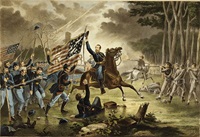
The Battle of Trenton, a pivotal event during the American Revolutionary War, holds historical significance for its daring river crossing by General George Washington on the night of Christmas in 1776. This iconic moment, however, is just the prelude to a lesser-known but equally crucial chapter—the "Ten Crucial Days" that ensued. Following the successful surprise attack, Washington's forces found themselves in the grip of a harsh winter storm, amplifying the challenges they faced. Despite the adverse conditions, the American troops showcased unparalleled resilience and determination during this period.
The Ten Crucial Days, spanning from December 26, 1776, to January 3, 1777, marked a transformative phase in the Revolutionary War. Washington's strategic acumen and the tenacity of his troops not only secured a momentous victory at Trenton but also laid the foundation for subsequent successes. The daring river crossing and the resilience displayed during the Ten Crucial Days became emblematic of the indomitable spirit that fueled the American cause for independence. This often-overlooked aftermath stands as a testament to the enduring commitment and sacrifice of those who fought in the harsh winter conditions to forge a new nation.
2. The Forage War: Daniel Morgan and Guerrilla Tactics
The Forage War, often overshadowed by major battles, provides valuable insights into the guerrilla tactics employed by American forces during the Revolutionary War. Renowned figures such as Daniel Morgan and John Outwater played instrumental roles in leading small militia bands engaged in unconventional warfare against British foraging parties.
Guerrilla tactics were a strategic response to the traditional warfare methods employed by the British. Instead of engaging in large, open-field battles, these small militia units utilized hit-and-run tactics, ambushes, and surprise attacks. The objective was to disrupt British supply lines, hampering their ability to sustain their forces.
Daniel Morgan, known for his expertise in unconventional warfare, played a key role in orchestrating these guerrilla tactics. By constantly harassing British foraging parties, the American forces effectively disrupted the British supply chain, highlighting the success of asymmetrical strategies in the face of a more conventionally trained military.
3. The Plight of the Neutral Ground: Loyalists, Patriots, and the Struggle for Survival
Amidst the tumultuous backdrop of Revolutionary War-era New Jersey, the "Neutral Ground" emerged as a region shrouded in uncertainty. This stretch of land, lying between British-occupied New York and American-held New Jersey, became a theater for the complex and often perilous struggles faced by Loyalists, Patriots, and those seeking refuge.
The Neutral Ground was not a sanctuary but a landscape fraught with challenges. Loyalists, individuals loyal to the British Crown, faced the constant threat of reprisals from Patriots. Patriots, in turn, struggled to maintain their cause while contending with the presence of Loyalist sympathizers in their midst. Those seeking refuge, caught in the crossfire, experienced the harsh realities of war – from plunder to violence.
Exploring the stories that unfolded in the Neutral Ground provides profound insights into the intricate web of loyalties that defined the Revolutionary War experience. It illuminates the struggles of individuals who navigated a precarious path, caught between conflicting allegiances and the ever-present specter of survival in a time of upheaval.
4. The Battle of Springfield: A Crucial Defense
The Battle of Springfield in 1780, though not entirely overlooked, often resides in the shadows of more prominent events. Taking place during the strategic retreat of the Continental Army, this engagement played a pivotal role in thwarting British attempts to seize vital American supplies, thereby underscoring the resilience of New Jersey's defenders.
As the Continental Army strategically withdrew, the Battle of Springfield emerged as a key defensive stand. The tenacity of New Jersey's defenders turned the tide, preventing the British from gaining control over crucial supplies that were integral to the American war effort. This resilience demonstrated by the Continental forces in the face of adversity contributed significantly to the overall momentum of the Revolutionary War.
While its significance may be overshadowed by other well-known battles, the Battle of Springfield stands as a testament to the indomitable spirit of those who defended New Jersey's soil during a critical phase of the Revolutionary War.
5. The Pine Robbers: Grassroots Resistance in the Pine Barrens
Amidst the dense woods of the Pine Barrens, local militias, famously known as the "Pine Robbers," played a crucial role in the Revolutionary War by engaging in grassroots resistance against British forces. Operating in the shadows of the sprawling pine trees, these militias disrupted British communications and foraging operations, showcasing the adaptive and unconventional nature of the Revolutionary War in New Jersey.
The Pine Robbers employed guerrilla tactics, ambushing British foraging parties and impeding their ability to gather essential supplies. This grassroots resistance proved instrumental in disrupting the enemy's logistical operations and added a layer of complexity to the overall Revolutionary War strategy in the region.
The stories of the Pine Robbers highlight the resourcefulness of local communities and their determination to resist British occupation. Their efforts, often overlooked in traditional narratives, underscore the multifaceted nature of the Revolutionary War experience in New Jersey.
6. The Battle of Paulus Hook: Major Henry Lee's Daring Raid
The night of August 19, 1779, witnessed a display of strategic brilliance in the form of Major Henry Lee's daring raid on Paulus Hook. This crucial engagement showcased the audacity and tactical acumen of the American forces during the Revolutionary War.
Under the cover of darkness, Major Henry Lee led a daring assault on the heavily fortified garrison at Paulus Hook, located in present-day Jersey City. Overcoming formidable obstacles, including a well-defended fortification, Lee's forces executed a surprise attack that caught the British off guard.
Lee's successful assault on Paulus Hook not only demonstrated the effectiveness of surprise tactics but also provided a significant morale boost to the American troops. The daring raid underscored the importance of strategic innovation in the face of challenging circumstances, contributing to the overall momentum of the Revolutionary War.
7. The Legacy of Molly Pitcher: A Symbol of Female Valor
The Battle of Monmouth stands as a testament to the indomitable spirit of Molly Pitcher, a legendary figure whose contributions are woven into the fabric of the Revolutionary War. While her name is widely recognized, her specific acts of bravery during the Battle of Monmouth deserve closer examination.
Amidst the chaos of the battlefield, Mary Ludwig Hays McCauley, known as Molly Pitcher, went beyond the conventional roles assigned to women during that era. Braving artillery fire and extreme conditions, Molly Pitcher played a crucial role in supporting American troops, whether by providing water to the thirsty soldiers or assisting in the loading and firing of cannons.
Molly Pitcher's legacy symbolizes the often-understated but indispensable contributions of women on the Revolutionary War battlefield. Her courage and resilience serve as an enduring inspiration, highlighting the vital role played by women in shaping the course of American history during times of conflict.
8. The Marquis de Lafayette in New Jersey: A French Luminary
The Marquis de Lafayette, a key figure in the Revolutionary War, left an indelible mark on the New Jersey landscape with his strategic brilliance and unwavering commitment to the American cause. While Lafayette's overall contributions to the war are celebrated, his time in New Jersey holds particular significance.
One notable episode was Lafayette's leadership during the Battle of Barren Hill. His tactical acumen and ability to maneuver effectively in challenging terrain showcased not only his military prowess but also his dedication to the fledgling American nation. The battle, though not as widely known as some, played a crucial role in shaping the narrative of New Jersey's Revolutionary War experience.
Beyond specific engagements, Lafayette's strategic maneuvers in New Jersey contributed to the overall success of the Continental Army. His presence bolstered the morale of American forces and left a lasting impact on the state's Revolutionary War narrative. The story of Lafayette in New Jersey is a testament to the international alliances that played a pivotal role in securing American independence.
9. The Battle of Red Bank: A Story of Resilience
The Battle of Red Bank, a pivotal engagement along the Delaware River in 1777, stands as a compelling tale of resilience in the face of adversity. Despite facing overwhelming odds, Colonel Christopher Greene and his valiant Rhode Island Regiment displayed unwavering courage and determination as they defended Fort Mercer.
The Hessian forces, seeking to seize control, encountered a formidable defense from the American troops. Colonel Greene's strategic prowess and the resilience of his regiment resulted in inflicting significant casualties on the Hessian forces, turning the tide of the battle in favor of the Continental Army.
This overlooked chapter in the Revolutionary War exemplifies the indomitable spirit of those who fought for American independence. The Battle of Red Bank serves as a testament to the courage and determination of the soldiers, contributing to the broader narrative of New Jersey's role in shaping the course of the Revolutionary War.
10. The Crossing of the Delaware River: Beyond the Iconic Moment
The iconic crossing of the Delaware River holds a significant place in Revolutionary War history, symbolizing General George Washington's bold strategy and commitment to the cause of independence. However, beyond its iconic status, the event unveils a narrative of profound challenges faced by the troops during that pivotal moment.
Amidst the winter of 1776, soldiers confronted harsh weather conditions, logistical hurdles, and the daunting task of navigating icy river waters. The sacrifice and perseverance exhibited during this crossing exemplify the unwavering dedication of the Continental Army to the ideals of liberty and self-determination.
By delving into the intricacies of the crossing, one gains a deeper appreciation for the sacrifices made by the troops. This exploration goes beyond the surface, providing a nuanced understanding of the adversities confronted by those who embarked on this historic journey. The Crossing of the Delaware River becomes not just an iconic image but a testament to the resilience and determination that characterized the spirit of the Revolutionary War.
Conclusion
In conclusion, New Jersey's Revolutionary War stories extend beyond the well-known events, offering a tapestry of resilience, unconventional tactics, and diverse experiences. These overlooked and underrated narratives enrich our understanding of the complexities and sacrifices woven into the fabric of American history, ensuring that the legacy of New Jersey's role in the Revolution endures for generations to come.
Frequently Asked Questions (FAQs)
- Q: Who was the most underrated person in the Revolutionary War?
- A: Determining the most underrated person in the Revolutionary War is subjective, but figures like Daniel Morgan, known for his guerrilla tactics, often receive less recognition despite their significant contributions.
- Q: Why is New Jersey so important in the Revolutionary War?
- A: New Jersey's strategic location between Philadelphia and New York made it a crucial battleground. Key battles, strategic retreats, and the enduring resilience of its people marked the state's significance in shaping the course of the Revolutionary War.
- Q: What are two examples of important Revolutionary War battles fought in NJ?
- A: Two pivotal battles in New Jersey were the Battle of Trenton in 1776, marked by Washington's daring river crossing, and the Battle of Monmouth in 1778, a significant engagement between Continental and British forces.
- Q: What happened to New Jersey during the Revolutionary War?
- A: New Jersey experienced a series of battles, strategic maneuvers, and the harsh winter encampments that defined the Revolutionary War. The state played a crucial role in the fight for independence.
- Q: What was the significance of the Forage War in New Jersey?
- A: The Forage War in New Jersey showcased guerrilla tactics employed by American forces, disrupting British supply lines and exemplifying unconventional warfare strategies.
- Q: Who were the Pine Robbers, and what role did they play in the Revolutionary War?
- A: The Pine Robbers were local militias in the Pine Barrens, engaging in grassroots resistance by disrupting British communications and foraging operations during the Revolutionary War.
- Q: How did women contribute to the Revolutionary War in New Jersey?
- A: Women like Molly Pitcher symbolized female valor, contributing on the battlefield. Their roles, often understated, encompassed various tasks crucial to the war effort.
- Q: What was the impact of Major Henry Lee's raid on Paulus Hook?
- A: Major Henry Lee's raid on Paulus Hook demonstrated strategic brilliance, showcasing the effectiveness of surprise assaults and boosting American morale during the Revolutionary War.
- Q: Why is the Battle of Red Bank considered a story of resilience?
- A: Despite overwhelming odds, Colonel Christopher Greene and his Rhode Island Regiment defended Fort Mercer during the Battle of Red Bank, inflicting significant casualties and exemplifying resilience.
- Q: What logistical challenges did troops face during the crossing of the Delaware River?
- A: The troops faced harsh winter conditions, logistical hurdles, and the daunting task of crossing an icy river during the iconic moment of the Delaware River crossing, showcasing their dedication to the cause of independence.
References:
- Morristown National Historical Park - Official website for Morristown National Historical Park providing insights into the winter encampment.
- American Battlefield Trust - A resource for information on Revolutionary War battles, including those in New Jersey.
- New Jersey State Historic Sites - Explore New Jersey's rich history through its state historic sites.
- New Jersey State Archives - Repository for historical documents and records related to New Jersey's history.
- George Washington's Mount Vernon - Learn more about George Washington and his role in the Revolutionary War.
Recommended Readings
Explore additional readings to deepen your understanding of New Jersey's rich history and folklore:
The Jersey Devil: Myth, Mystery, and Legend
Delve into the fascinating world of The Jersey Devil, a mythical creature that has intrigued and mystified people for generations. This book explores the folklore, mystery, and legends surrounding this iconic figure, providing insights into the cultural fabric of New Jersey.
Read moreMystical Stories of the New Jersey Pine Barrens: Legends and Folklore
Immerse yourself in the enchanting tales and folklore of the New Jersey Pine Barrens. This book takes you on a journey through mystical stories, uncovering the rich tapestry of legends that have shaped the cultural heritage of this unique region.
Read moreDisclaimer:
The content presented on this page is for educational and informational purposes only. While efforts have been made to provide accurate and up-to-date information, historical narratives may be subject to interpretation and evolving research. The creators of this page do not claim absolute historical certainty and encourage further exploration and study of the Revolutionary War era in New Jersey through reputable sources.