 By - Akhilesh Sharma
 Work - Educator(Exp 15 Years)
Understanding Morgellons Disease:
Morgellons Disease: A Complex Multisystem Illness
Morgellons disease presents as a complex multisystem illness, marked by sensations of stinging, biting, and crawling beneath the skin. According to information from the Morgellons Research Foundation (MRF), over 14,000 families have reported being affected by this enigmatic disease. The affliction brings significant distress, as thread-like fibers emerge from the skin, resulting in pain, itching, and the development of open, disfiguring lesions (refer to Figures 1 and 2).
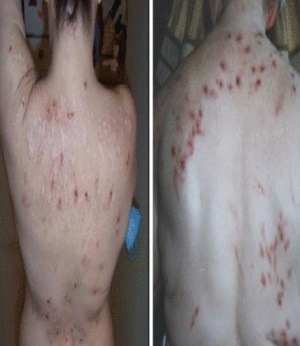
Figures 1 and 2
Regrettably, individuals grappling with Morgellons often face skepticism from clinicians who may dismiss their symptoms as manifestations of delusional disorders. This dismissal stems from a lack of familiarity among healthcare professionals with the distinct signs and symptoms associated with Morgellons disease. The scarcity of literature on Morgellons further compounds the issue. The condition has only recently been described in modern medical literature, and the medical community, for the most part, hesitates to acknowledge it as anything beyond psychopathology. Additionally, the dearth of knowledge surrounding Morgellons, including its etiology and transmission, contributes to the challenge of understanding and addressing this perplexing ailment.
Morgellons cases have been reported globally, affecting individuals in various countries such as the United States, Canada, the United Kingdom, Australia, and others. Within the United States, Morgellons has been reported in multiple states,, including but not limited to California, Texas, Florida, New York, and Ohio. The widespread nature of this disease highlights its impact on a diverse range of populations across different geographical regions. However, the lack of a comprehensive understanding and acknowledgment of Morgellons by the medical community poses challenges in effectively addressing and researching the condition on a global scale. As awareness grows, efforts to study Morgellons and its manifestations in different countries and states become increasingly important for developing targeted interventions and support systems for those affected.
Signs and Symptoms:
Individuals experiencing Morgellons disease commonly report a range of distressing signs and symptoms. These may include skin rashes or sores accompanied by intense itching, crawling sensations on or under the skin, and a persistent belief that fibers, threads, or black stringy material are present in and on the skin. The condition may also manifest with difficulties in concentration and a depressed mood. These symptoms can significantly impact a person's quality of life, leading to challenges in daily functioning and well-being.
Historical Background:
The term "Morgellons" finds its roots in a letter written in 1674 by Sir Thomas Browne, an English physician. The letter briefly describes a skin disease in French children, referring to "hairs" that appear on the back, providing relief from associated symptoms. However, historical accounts from 1544 to 1884 describe various skin conditions, possibly distinct from the modern concept of Morgellons, characterized by hairs, worms, or comedones protruding from the skin.
The understanding of skin conditions with similar features has evolved over time, with terms like "acarophobia" and "delusions of parasitosis" (DOP) being used in the early 20th century. Notably, in 1938, Ekbom documented cases of patients experiencing sensations of movement and a belief that insects were crawling on or under the skin. Spirochetal infections, including syphilis, were associated with some of these cases. Despite sporadic mentions of similar conditions over the years, Morgellons largely disappeared from medical literature until its resurgence in the early 2000s.
Modern Resurgence and Controversies:
The contemporary understanding of Morgellons gained momentum in 2002 when Mary Leitao, a concerned mother, observed unusual symptoms in her son. Rejecting the diagnosis of delusional parasitosis, Leitao coined the term "Morgellons" based on historical references. This led to the establishment of the Morgellons Research Foundation (MRF), aiming to shed light on the condition.
Controversies surrounding Morgellons intensified when the Centers for Disease Control and Prevention (CDC) conducted a study in 2012. The study concluded that Morgellons was "similar to more commonly recognized conditions, such as delusional infestation." According to the CDC, the fibers found in skin samples were consistent with cellulose, suggesting contamination by fabric fibers rather than emerging from the skin.
However, the debate persists. Some argue that Morgellons is a form of delusional disorder, emphasizing psychiatric interventions such as antidepressants, antipsychotic drugs, and cognitive behavioral therapy. On the contrary, a faction of researchers and patients contends that the condition has an infectious origin, possibly linked to spirochetal infections.
Current Research Landscape:
The research landscape on Morgellons disease is marked by conflicting findings and limited consensus. While the CDC study in 2012 refuted an infectious cause, smaller studies have attempted to establish associations between Morgellons and spirochetal infections in humans, cattle, and dogs. These studies propose that the characteristic filaments found in Morgellons lesions are composed of cellular proteins like keratin and collagen, responding to spirochetal infection.
Despite these efforts, there is a lack of proven guidance on the diagnosis and treatment of Morgellons. The divide between psychiatric and infectious perspectives underscores the need for further research to unravel the mysteries surrounding this complex condition.
Coping Strategies for Morgellons:
Managing Morgellons disease is challenging, given the lack of a universally accepted understanding of its origin and optimal treatment. Individuals grappling with Morgellons symptoms are advised to take several steps to cope with the condition:
- Establish a Relationship with a Compassionate Healthcare Provider: Seek out a healthcare provider who acknowledges your concerns, conducts a thorough examination, discusses treatment options, and collaborates with a multidisciplinary care team. Building a trusting relationship with a healthcare professional is essential for comprehensive care.
- Patience and Evidence-Based Diagnosis: Understand that healthcare providers will likely explore known conditions with evidence-based treatments before considering a diagnosis of Morgellons. Patience is crucial as diagnostic processes unfold, ensuring a careful consideration of various factors.
- Open-Minded Approach: Maintain an open mind when considering the possible causes of symptoms. Engage in discussions with healthcare providers about different perspectives on the condition, including mental health considerations and potential infectious origins.
- Seek Treatment for Coexisting Conditions: Address any coexisting conditions such as anxiety, depression, or other health issues that may impact thinking, mood, or behavior. Treating these conditions can contribute to an overall improvement in well-being.
Conclusion:
Morgellons disease remains a complex and elusive condition, straddling the realms of psychiatry and infectious disease. The divide in perspectives among healthcare providers reflects the need for further research to unravel the underlying mechanisms and establish evidence-based diagnostic and treatment guidelines.
Medicine
Individuals grappling with Morgellons symptoms deserve compassionate and understanding care, irrespective of the ongoing controversies. Navigating the complexities of this condition requires patience, an open-minded approach, and collaboration with healthcare professionals who are willing to explore a range of possibilities. As research in this field progresses, the hope is that a clearer understanding of Morgellons will emerge, paving the way for more effective interventions and improved quality of life for those affected.
For those considering treatment options, here are some general categories of medications that healthcare providers might consider based on the symptoms and associated conditions often reported with Morgellons:
-
Antidepressants:
- Selective Serotonin Reuptake Inhibitors (SSRIs): Examples include fluoxetine (Prozac), sertraline (Zoloft), and escitalopram (Lexapro).
- Tricyclic Antidepressants (TCAs): Examples include amitriptyline and nortriptyline.
-
Antipsychotic Drugs:
- Atypical Antipsychotics: Examples include olanzapine (Zyprexa), risperidone (Risperdal), and quetiapine (Seroquel).
-
Anxiolytics (Anti-Anxiety Medications):
- Benzodiazepines: Examples include lorazepam (Ativan) and diazepam (Valium).
-
Cognitive Behavioral Therapy (CBT):
- While not a medication, CBT is a therapeutic approach that may be recommended to address the psychological aspects associated with Morgellons.
Disclaimer: The information provided here is for general awareness purposes only and should not be considered a substitute for professional medical advice, diagnosis, or treatment. Before considering any medications or treatments, individuals experiencing symptoms associated with Morgellons should consult with a qualified healthcare provider. The selection of medications and treatment plans should be tailored to the individual's specific health condition and thoroughly discussed with a licensed healthcare professional. Self-diagnosis and self-treatment can be harmful, and seeking professional medical guidance is imperative for proper care and management of health conditions.
Hospitals in the USA Associated with Morgellons Disease Patients:
-
Mayo Clinic
Location: Rochester, Minnesota
Website: Mayo Clinic
-
Johns Hopkins Hospital
Location: Baltimore, Maryland
Website: Johns Hopkins Hospital
-
Cleveland Clinic
Location: Cleveland, Ohio
Website: Cleveland Clinic
-
Massachusetts General Hospital
Location: Boston, Massachusetts
Website: Massachusetts General Hospital
-
Stanford Health Care
Location: Stanford, California
Website: Stanford Health Care
References:
1. Chronic Fatigue Syndrome
2. Valley Fever Symptoms Diagnosis Treatment Clinics
3. OCD Symptoms Treatments Rising Cases in the US