 By - Akhilesh Sharma
Work - Educator(Exp 15 Years)
House Plan Approval Process in the USA: A Comprehensive Guide to Construction and Architectural Approval Steps
- Introduction
- Section 1: Understanding the Basics
- Section 2: Creating Comprehensive House Plans
- Section 3: The Approval Process
- Section 4: Obtaining Permits
- Conclusion
- Additional Tips
- Frequently Asked Questions
Introduction
In the intricate realm of home construction in the United States, the house plan approval process stands as a pivotal gateway, governed by meticulous building permits and construction approval guidelines. Navigating this complex landscape involves a careful orchestration of steps, from understanding the architectural nuances encapsulated in house plans to adhering to the regulatory intricacies that define the construction permit process. Home builders embarking on this journey must acquaint themselves with home building regulations, ensuring a seamless adherence to guidelines that span the diverse terrain of the USA. This involves delving into the architectural approval steps, where the artistry of design converges with the pragmatic requirements of construction.
A comprehensive guide, serving as a beacon in this expansive landscape, becomes an invaluable resource for those seeking clarity in the labyrinth of approvals. This guide, much like a roadmap, provides a step-by-step exploration of the construction approval process, emphasizing the importance of accuracy and detail in house plans. As aspiring homeowners and architects traverse the realms of construction, architecture, and real estate, the guide demystifies the often complex terminology, offering insights into the foundational principles that underpin the house plan approval process in the USA. It encapsulates not only the procedural aspects of securing building permits but also the aesthetic considerations inherent in architectural approval steps.
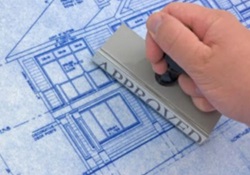
By incorporating terms such as "home building regulations," "construction permit process," and "architectural approval steps" seamlessly into the narrative, this guide becomes a holistic companion, bridging the gap between regulatory compliance and architectural creativity. It is a testament to the symbiotic relationship between construction and architecture, where each word serves as a building block in the foundation of a successful house plan approval process.
Significance of compliance with local regulations
Complying with local regulations is a big deal when it comes to getting your house plans approved in the good ol' USA. It's not just a box to check; it's about making sure your construction game is on point with the rules set by your local city or county government. We're talking building codes, zoning ordinances, and all that jazz. Why does it matter, you ask? Well, it's all about safety, structural integrity, and making sure our communities stay awesome. See, these regulations are like the guardians of safety and well-being in your hood. They lay down the law to ensure that your dream home is not just a cozy haven but also meets top-notch safety standards. It's about constructing spaces that can weather the storms—literally and figuratively—while keeping everyone inside safe and sound.
But it's not just about safety; it's about blending in with the neighborhood vibes. Local regulations prevent your house from sticking out like a sore thumb or causing a ruckus that could mess with property values. We're all about fostering a sense of togetherness and pride among neighbors, and that starts with everyone playing by the same set of rules. And let's not forget the aesthetic dance. Following local regulations ensures that your house isn't an eyesore. It's about making sure your dream home fits right in with the local landscape, creating a visual symphony rather than a discordant note. It's like being part of a community orchestra, each home playing its part to keep the neighborhood looking sharp.
In the grand scheme of things, understanding and toeing the line with local regulations during the house plan approval process is all about being a responsible citizen and builder. It's about creating homes that not only stand strong but also contribute to the overall charm and character of our American neighborhoods. So, when it comes to house plans, think of local regulations as your guide to crafting a home that's not just a structure but an integral part of the vibrant tapestry of community living.
Back to the TopSection 1 Understanding the Basics
Know Your Local Regulations
Alright, let's break it down like you're sitting on the porch with a neighbor, sipping sweet tea. You know, building stuff in the U.S. is like trying to learn a new language every time you cross state lines. Every place has its own rulebook for construction—kind of like each state's got its own accent, but for buildings.
Imagine you start a project in one state, following their way of doing things—how high you can build, what materials to use, and how far your place should be from the street. Cool, right? Now, you take a road trip a couple of hours away, and bam! Suddenly, you're in a whole new world with a whole new set of rules. That's the charm of the American construction scene—no universal standards here, my friend. Some places are strict about earthquake safety, while others are more worried about hurricanes. Zoning laws might tell you how much elbow room your property needs, and historical preservation rules might have you building like it's the 1800s. It's a mix of what matters most to each area—be it weather, space, or keeping the old vibes alive.
This variation might sound like a headache, but it's what makes our country's construction scene diverse and interesting. It's like a buffet of building codes, tailored to fit each place's personality. So, when folks talk about the mix of building codes and regulations, we're basically celebrating the fact that construction here isn't a one-size-fits-all deal—it's a state-by-state, town-by-town dance that keeps things interesting.
Importance of researching and understanding local requirements
Imagine gearing up to build your dream home—it's like prepping for an epic road trip. But here's the deal – every town, every city, every state has its own set of rules when it comes to building stuff. It's like each place has its own playbook, and you want to be the MVP by knowing it inside out.
So, before you even think about laying a single brick, you roll up your sleeves and dive into the local requirements. It's not just paperwork; it's the secret sauce to making your construction journey as smooth as a country song. These rules? They're like the chords in the background, keeping everything in tune. Think about it. You're sketching out your dream pad, envisioning every nook and cranny. Now, if you don't check what the local rulebook says, you might be in for a wild ride. You've got to know the score – how high you can reach for the stars, what materials are the crowd-pleasers, and if there are any quirks your neighbors dig.
Researching and understanding these local requirements? That's your golden ticket. It's like knowing the best BBQ joint in town – it makes you a local. It saves you from headaches, helps you breeze through the permit rigmarole, and ensures your dream home fits right in with the neighborhood vibe. This isn't just about crossing T's and dotting I's. It's about being savvy, nodding to the local rhythm, and giving your neighbors a thumbs-up for playing by the rules. So, grab that local rulebook, treat it like your favorite road map, and get ready to turn those dream-home sketches into a reality that shouts, "I belong here!"
Engage Professionals
The role of architects and other professionals in creating compliant house plans
The role of architects and other professionals in creating compliant house plans
Architects and other pros are the real MVPs when it comes to getting your house plans in order. They're the wizards who make sure everything ticks the right boxes – from safety rules to local laws, and even adding that special touch you've been dreaming of. First off, these folks know the local rulebook like the back of their hand. They take those building codes and zoning regulations and turn them into a masterpiece that checks all the right boxes. It's not just about putting walls and a roof together; it's about making sure your dream home fits snugly into the neighborhood vibes.
Safety is their middle name. They team up with structural engineers to make sure your place can stand strong against whatever nature throws its way. Whether it's a snowstorm up north or hurricane season down south, they've got you covered. Zoning laws and land use rules? Yep, they've got those covered too. They make sure your dream pad fits right in with what your town or city has in mind. And when it comes to looks, they're not just about four walls – they're crafting a space that's not only safe but easy on the eyes and fits your lifestyle like a glove. Some of these pros are also big on going green. They're the eco-warriors of the design world, thinking about things like energy efficiency and eco-friendly materials. It's not just about meeting regulations; it's about leaving a smaller footprint on Mother Earth.
When it's time to get those plans approved, these folks are the maestros. They create detailed blueprints and docs that speak the language of local authorities, making sure everything's up to snuff. And during the actual building phase, they're like your construction guardian angels, making sure what's going up matches what was planned. So, architects and their squad aren't just drawing up plans. They're your partners in this whole construction adventure, making sure your dream home not only follows the rules but shines bright in the neighborhood. They're the ones turning your sketches into a reality that's safe, stylish, and uniquely you.
How their expertise can streamline the approval process
The expertise of architects and other pros really greases the wheels when it comes to getting your house plans approved. These folks know the local rulebook inside and out, and they make sure your design is singing the right tune from the start. Picture this: they're not just drawing up walls and rooms. They're thinking ahead, considering every local regulation, building code, and zoning requirement right from the get-go. It's like they're laying down the groundwork for a smooth ride through the approval process. Accuracy is their game. Architects create detailed plans that serve as a roadmap for local authorities during the approval review. This detailed documentation is like a secret weapon, minimizing misunderstandings and ensuring a hassle-free approval.
Communication is key, and these pros are the liaisons between you and the local authorities. They know how to talk the talk, conveying your design vision and smoothing out any concerns that might crop up during the approval discussions. They're not just waiting for issues to pop up; they're solving potential problems before they even surface. By being proactive during the design phase, they cut down the need for last-minute revisions and speed up the approval timeline. But it's not just about paperwork. Architects build relationships with local building departments. It's like having a friend on the inside – quicker responses, fewer hiccups, and an overall smoother workflow.
Staying in the loop is their mantra. Architects keep up with the latest regulations, ensuring your plans are always on the cutting edge of compliance. And they're not just using pencils and rulers; they leverage high-tech tools to create precise plans that leave no room for misinterpretation. Collaboration is the name of the game. Architects work hand-in-hand with engineers and other pros, ensuring all aspects of your design – from structure to environmental impact – are seamlessly integrated. It's like a symphony of experts creating a masterpiece. And when issues do arise, architects are like superheroes with problem-solving capes. They find solutions, make adjustments, and keep your approval process on the fast track.
These architects are the unsung heroes making sure your house plans don't just meet the rules but breeze through the approval process. They're the ones turning your ideas into a reality that's not just approved but celebrated.
Back to the TopSection 2 Creating Comprehensive House Plans
Work with an Architect
Bringing a qualified architect on board for your construction or renovation project opens up a world of benefits that go well beyond the blueprints. First and foremost, these professionals are the maestros of design. Trained in the art of crafting spaces, they inject creativity and innovation into your project, ensuring that the end result isn't just functional but a visually stunning masterpiece tailored to your tastes. What sets a qualified architect apart is their holistic approach to planning. It's not just about making things look good; it's about understanding how you live and move in a space. They consider the flow, functionality, and every little detail, ensuring that the final design is not only beautiful but also practical, catering to your lifestyle seamlessly.
One of the headaches in any construction project is dealing with the maze of local regulations. Enter the architect, armed with a deep understanding of building codes and regulations. They're like navigators, steering your project through the bureaucratic landscape and making sure every aspect complies with the legal requirements. This skill becomes a crucial asset in avoiding potential hiccups during the approval process. Contrary to the myth of added expenses, hiring a qualified architect can actually be a smart investment. Their meticulous planning upfront helps dodge design pitfalls that could lead to costly changes down the road. By addressing potential issues early on, they contribute to a smoother and more cost-effective construction or renovation journey.
Beyond the drawing board, architects act as advocates for the client. They're the go-betweens, ensuring that what gets built aligns perfectly with the approved plans. Their oversight guarantees the integrity of the design, and you can rest easy knowing that the final result mirrors your initial vision. So, when you hire a qualified architect, you're not just getting a designer; you're getting a partner who brings expertise, creativity, and a strategic approach to the table. They're the architects of your dreams, turning your ideas into a tangible reality that stands out in both form and function.
Architects ensure plans meet both Aesthetic and Regulatory standards
Architects are the maestros who skillfully navigate the complex intersection of aesthetics and regulations in the world of design. Their deep understanding of local building codes and zoning regulations forms the bedrock for a design process that seamlessly weaves in regulatory considerations. By engaging with regulatory authorities early on, architects gain valuable insights and ensure that their plans align with specific requirements, paving the way for a smoother approval process. Employing a holistic planning approach, architects strike a delicate balance between functional necessities and aesthetic aspirations, ensuring that the creative vision remains intact while meeting regulatory standards.
Accurate and detailed documentation emerges as a crucial tool in the architect's toolkit. Serving as a roadmap during the approval process, precise documentation minimizes the risk of misinterpretation and facilitates a more efficient regulatory review. When faced with regulatory challenges, architects showcase their creative problem-solving prowess, finding innovative solutions that preserve the design's aesthetic integrity within the confines of the law.
Staying ahead of the curve, architects remain informed about evolving design and building standards. This ongoing education ensures that their designs not only capture contemporary aesthetics but also adhere to the latest regulatory benchmarks. Collaboration with structural engineers becomes a synergistic dance, ensuring that structural considerations enhance rather than compromise the aesthetic features of the design.
Architects collaborate closely with clients, incorporating their aesthetic preferences into the design process. This client-centric approach ensures that the final plans not only reflect the architect's creative expertise but also align with the unique vision of those who will inhabit the space. Continuous education remains a cornerstone of an architect's journey, keeping them well-versed in changes to regulations and design standards and enabling them to harmonize evolving aesthetic trends with regulatory compliance.
Architects orchestrate a symphony of creativity and compliance. They ensure that their plans not only meet aesthetic aspirations but also adhere meticulously to the regulatory standards that govern the intricate world of construction and design.
Include Essential Details
House plans are like the master blueprint for turning dreams into reality during construction or renovation projects. They consist of several key elements, each playing a vital role in communicating the design and guiding the building process.
Key elements to include in house plans
Floor Plans
Floor plans are the heart of house plans, offering a top-down view of how the interior spaces are laid out. They map out the arrangement of rooms, doors, windows, and key features on each level. Think of it as the detailed map that shows where bedrooms, bathrooms, the kitchen, and living areas will be situated, providing a comprehensive understanding of the interior layout.
Elevations
Elevations provide a visual representation of what the exterior of the building will look like. These drawings showcase the architectural features, proportions, and overall aesthetics of each side of the house. Elevations are crucial for understanding how the building will appear from different angles and help convey design details to builders, contractors, and regulatory authorities.
Site Plans
Site plans give a bird's-eye view of how the building relates to its surroundings. They illustrate the placement of the structure on the property, including orientation, setbacks, and landscaping elements. Site plans also showcase outdoor features like driveways and walkways. For example, a site plan might reveal how the house sits on the lot, the position of trees, and the proximity to neighboring structures.
Sections
Sections provide a cut-through view of the building, revealing details of the interior and how different components come together. They help understand the height relationships between various floors and showcase elements like ceiling heights and structural details. Sections are like a visual slice through the building, giving insights into its inner workings.
Details and Specifications
House plans include specific details and specifications crucial for construction. These can range from the materials to be used to the dimensions of key elements and construction techniques. For instance, detailed specifications might outline the type of flooring, roofing materials, or window specifications, ensuring builders adhere to the intended design and quality standards.
House plans are the comprehensive guide that integrates floor plans, elevations, site plans, sections, and details. Each element serves a unique purpose, collectively contributing to the successful translation of design concepts into a tangible, well-constructed home.
Importance of accuracy of these documents
You know, accuracy and detail in house plans? Super crucial. Like, really, really crucial. Here's why:
Getting the Design Right
So, when your house plans are spot-on accurate and detailed, everyone's on the same page. No confusion, no "What did the architect mean here?" Everyone gets the design vibe loud and clear. It's like the architect's vision jumping off the paper.
No Wallet Heartaches
Mistakes on house plans? Total wallet nightmares during construction. Accurate plans? They're like superheroes, saving you from mix-ups and extra spending. Think of it this way: right measurements mean right materials. Less waste, less spending. Wallet, happy.
Rules? Nailed It
The big shots checking your house plans? Yeah, they love accuracy. It's like speaking their language. Accurate plans slide through the approval process like butter. No delays, no red tape. Just a smooth sail through the rules.
Strong and Sturdy
Ever wonder why some homes just stand strong against everything? Accurate plans, my friend. They're the secret sauce for a house that's not just pretty but built to last. Imagine the builders following the plan to the T. That's your sturdy castle right there.
Smooth Talking, No Confusing
House plans? They're like the script everyone follows. The more accurate, the smoother the talk between architects, builders, and everyone else. No one's left scratching their heads. It's like a well-orchestrated dance where everyone knows their steps.
Happy Clients, Happy Life
Clients seeing their dream on paper? That's the goal. Accurate plans make clients do the happy dance. When they see their vision in every detail, it's like the architect just nailed a high-five. Happy clients, happy architect.
Time-Tested Quality
Accuracy isn't just for show. It's for the long haul. Accurate plans aren't just about today; they're about making sure the place stands strong and true for years. It's like an investment in a home that doesn't just look good but holds up like a champ.
Back to the TopSection 3 The Approval Process
Contact Local Authorities
Identify the Local Building Department
Start by determining the specific building department overseeing your project. For instance, if you're planning a home renovation in Houston, visit the official website of the City of Houston to locate information on the relevant building department responsible for residential projects.
Gather Essential Information
Imagine you're looking to add a garage to your property. Before reaching out, collect essential project details such as property dimensions, proposed changes, and any initial sketches of the garage. Having this information ready ensures a more productive discussion with the building department staff.
Check for Online Resources
Suppose you're considering a project like installing a swimming pool. Check the building department's website for online resources, including guidelines and checklists related to pool construction. These resources can serve as valuable tools to understand the necessary steps and requirements.
Schedule an Appointment if Necessary
If your project involves building a new structure, such as a commercial building, consider scheduling an appointment with a representative from the building department. This one-on-one interaction allows you to discuss specific details and receive personalized guidance tailored to your commercial construction needs.
Prepare Questions
For example, if you're planning to convert an attic into a living space, come prepared with questions about the permitting process, required documentation, and any specific regulations for attic conversions. This proactive approach demonstrates your commitment to complying with local regulations.
Contact Information
Find the official contact information for the building department. If you're adding a second story to your home in San Diego, use the provided contact details, such as the department's phone number or email address, to ensure direct communication with the appropriate department staff.
Be Clear and Concise
When reaching out, provide a clear and concise overview of your project. For instance, if you're building a backyard deck, outline the project details, your specific needs, and any questions you have about obtaining the necessary permits. Clear communication sets the stage for a more efficient interaction.
Be Patient and Courteous
Suppose you're undertaking a project like renovating a historical building. Understand that building department staff may be busy. If there are delays in their response, exercise patience, and maintain a courteous tone in your communications. This approach fosters a positive working relationship.
Follow Up as Needed
If you're not receiving a response within a reasonable timeframe or if you have additional questions about adding a home office extension, don't hesitate to follow up. This ensures that your inquiries are addressed, and any potential concerns are resolved in a timely manner.
Attend Public Meetings or Workshops
Consider attending public meetings or workshops hosted by the building department. Suppose you're involved in a community project like renovating a local park. These events can offer insights into local regulations and provide an opportunity to establish a positive rapport with building department officials.
Significance of pre-submission consultations, if available
Engaging in pre-submission consultations with the local building department is a pivotal step in securing approvals for construction or renovation projects, and its significance is underscored by various practical benefits. Consider a scenario where you are contemplating a unique landscape redesign for your property. Pre-submission consultations provide a valuable opportunity to seek clarity on the specific documents and plans the building department requires for such a project, ensuring that you kick off the process with a clear understanding of expectations.
Moreover, these consultations offer personalized guidance tailored to the intricacies of your project. Imagine you're planning a custom-designed structure – discussions held in advance enable the building department staff to provide advice that directly addresses the unique aspects of your vision. One of the key advantages lies in the early identification of potential challenges. For instance, if your project involves an unconventional home addition, pre-submission consultations empower you to discuss and address foreseeable obstacles before they become stumbling blocks during the formal submission process.
The streamlined submission process is another noteworthy benefit. Whether you are embarking on a large-scale commercial project or a residential renovation, the insights gained during pre-submission consultations ensure that you are well-prepared, reducing the likelihood of delays and enhancing the overall efficiency of the approval process. Positive relationship-building is an intangible yet crucial outcome of these consultations, especially for projects with specific requirements. For example, if you are undertaking the renovation of a historic property, engaging in early discussions demonstrates your commitment to collaboration and establishes a cooperative relationship with the building department.
Pre-submission consultations are instrumental in early detection of compliance issues. If your project involves unique features like incorporating green building technologies, these discussions enable the building department to assess and guide you on compliance requirements, aligning your plans with local regulations and sustainability standards. Consider the time and cost savings aspect, particularly in complex projects. Let's say you are planning the installation of solar panels on a commercial building. Early consultations provide a platform to discuss technical aspects, potentially avoiding costly revisions and delays later in the approval process.
Finally, these consultations contribute to an enhanced understanding of local regulations. For instance, if you are working on a mixed-use development, early discussions with the building department provide a comprehensive understanding of zoning laws and codes, setting the stage for compliance. Pre-submission consultations are invaluable in ensuring a smooth and efficient approval process for construction or renovation projects. They offer clarity, personalized guidance, and a proactive approach to potential challenges, ultimately contributing to the successful realization of your project goals.
Submission Guidelines
Required documentation and Information for plan submissions
Project Overview
Embarking on a project, such as adding a sunroom, begins with a compelling project overview. Picture it as introducing your dream to the world, saying, "I've got this vision of a cozy sunroom that I'd love to bring to life in my living space."
Detailed Plans and Drawings
Moving into the specifics, detailed plans and drawings act as the visual backbone of your project. If you're renovating the kitchen, imagine handing over a detailed map that showcases how the space will transform – floor plans and elevations that everyone can follow along.
Site Plan and Location Details
Adding a touch of geography, include a site plan and location details. When envisioning a new garage, illustrate where it fits on your property and its relationship to existing structures. It's like marking your territory, saying, "Here's where the new garage will stand on my property."
Structural Details
Getting into the nitty-gritty, delve into structural details. For a grand project like a second-story addition, outline materials, load-bearing elements, and any structural modifications. Think of it as presenting the sturdy backbone of your project – reliable and well-planned.
Project Timeline and Phases
Transitioning into project management, lay out your timeline and phases. Whether it's a backyard deck or a bathroom renovation, share your anticipated schedule. It's like sharing a story – "I plan to start building the deck in May and have it ready for summer barbecues."
Environmental Impact Considerations
Adding a touch of eco-consciousness, consider environmental impact. If your project involves green features like energy-efficient windows, mention them. It's akin to saying, "I'm committed to making my home eco-friendly with these energy-efficient upgrades."
Zoning Compliance Details
Ensuring alignment with local rules, highlight zoning compliance details. If your project involves a home office addition, demonstrate how it fits seamlessly into local zoning laws. It's like assuring, "My home office addition meets all the rules – no surprises here!"
Budget and Financial Plans
Introducing the financial plot, don't forget budget and financial plans. If you're remodeling your entire home, provide an estimate and financial breakdown. It's like saying, "Here's my plan, and here's how much I'm willing to invest to make it happen."
Safety Measures and Codes
Addressing the security subplot, highlight safety measures and adherence to codes. If renovating a historic property, showcase your commitment to preserving its charm while meeting modern safety standards. It's like saying, "Modernizing is great, but safety and heritage are my priorities."
Contact Information and Communication Preferences
Concluding with the epilogue, end with your contact information and communication preferences. If you're adding a pool, ensure they know how to reach you and your preferred method of communication. It's akin to saying, "Feel free to call or email – I'm ready to discuss my pool plans!"
In essence, presenting your plan submissions reads like unfolding a captivating story – each document a chapter that brings your construction or renovation journey to life.
Common submission procedures and formats
Embarking on the submission of construction or renovation plans is a bit like diving into the paperwork that sets the stage for your project's narrative. Picture proposing a new deck, where you start by completing a permit application that outlines the vision for your outdoor oasis.
As you move forward, consider compiling your documents like piecing together a well-arranged storybook. For instance, if you're renovating a kitchen, your submission may include detailed plans, elevations, and structural drawings – each document acting as a chapter that contributes to the unfolding tale of your kitchen transformation. In the digital age, submitting plans online is akin to presenting your story in a modern format. Imagine planning a bathroom remodel and submitting electronic plans, complete with digital files showcasing the envisioned changes, making it easier for everyone to understand the plot of your renovation story. Before hitting submit, it's crucial to review and edit your plans, ensuring they tell a cohesive and clear narrative. Whether you're adding a new room or a backyard gazebo, meticulously reviewing your plans is like proofreading your story to guarantee a smooth and compelling read.
Engaging in consultation meetings with the building department is akin to participating in lively discussions where you share the backstory of your project. If you're proposing a home office addition, these meetings become a chance to discuss the plot twists of your project and gain valuable feedback. Incorporating visuals to enhance your narrative is like adding illustrations to a storybook. Imagine adding a swimming pool to your backyard and including vivid renderings or images that help others visualize the exciting twists and turns you have in mind for your outdoor space.
Maintaining responsive communication throughout the submission process is crucial. If you're building a garage or a playroom, prompt responses to queries or requests for additional information keep the lines of communication open, ensuring the story flows smoothly without interruptions. Ensuring your plans are adaptable to local regulations is similar to adhering to the rules of the narrative. Suppose you're constructing a commercial space; ensuring your plans align with zoning regulations, building codes, and other local requirements is like making sure your story fits within the set genre. Keeping track of your submission progress is like eagerly following the plot twists in your favorite book. If you're adding a solar panel system, staying informed about where your submission stands in the approval process is akin to eagerly awaiting the next chapter of your sustainable energy journey.
Approaching the submission process as an open-ended collaboration is like co-authoring the story of your construction or renovation project with the building department. Whether you're renovating a historic home or adding a front porch, being open to feedback and adjustments ensures a collaborative and successful storytelling experience. Common submission procedures and formats are the chapters that make up the narrative of your construction or renovation journey. Embrace them with the spirit of storytelling, ensuring that every detail, much like examples in a story, contributes to a compelling and successful storyline.
Review and Modifications
Typical timeline for plan reviews
Navigating the typical timeline for plan reviews in construction or renovation projects is a bit like anticipating the plot twists in a novel. Let's break it down in a way that resonates with a native speaker, weaving in examples to bring the narrative to life.
Initial Submission – Setting the Scene:
The journey begins with your initial submission, where you present your plans to the building department. This step is akin to introducing the characters and setting in a story. For instance, if you're proposing a backyard deck, this is where you present the blueprint for your outdoor retreat.
Waiting Period – The Suspense Builds
After the submission, there's a waiting period – a bit like the suspenseful chapters that keep you on the edge of your seat. During this time, the building department reviews your plans. Let's say you're adding a home office; this is when they examine how your proposed addition aligns with local zoning regulations and building codes.
Feedback and Revisions – Plot Twists Unveiled
Once the initial review is complete, you receive feedback – the plot twists in your construction tale. For instance, if you're renovating a historic property, feedback might involve preserving certain architectural elements. This phase is about adjusting the narrative to align with both your vision and regulatory requirements.
Additional Review – Unraveling Subplots
There might be an additional review, unraveling subplots in your construction story. Imagine you're incorporating green building technologies; this extra step ensures that your plans align with environmental standards. It's akin to ensuring your story satisfies additional criteria for a more intricate plot.
Final Approval – Climax of the Story
Finally, there's the grand climax – the moment of final approval. This is when your construction or renovation project gets the green light. Picture it as the pivotal scene in your novel where everything comes together. If, for example, you're adding a new room, this is when you can start turning that extra space into your dream home office or cozy reading nook.
Issuance of Permits – Resolution and Next Chapter
Following approval, permits are issued – the resolution and the beginning of the next chapter in your construction narrative. If you're adding a swimming pool, this is when you can start turning your backyard into a refreshing oasis, as your permits signify the official go-ahead for construction.
The typical timeline for plan reviews unfolds like chapters in a story. There's the initial introduction, the suspenseful waiting period, plot twists through feedback and revisions, the unraveling of subplots in additional reviews, and finally, the climactic approval leading to the issuance of permits – signaling the resolution and the exciting beginning of the next phase in your construction or renovation journey.
Address Feedback and Modifications requested by authorities
Addressing feedback and modifications requested by authorities in your construction or renovation project is akin to revising and refining the chapters of your story to ensure it's a compelling and well-received tale. Let's delve into this process in a way that resonates with a native speaker, incorporating examples to illustrate each aspect.
Receiving Feedback – Understanding the Critique
When you receive feedback from the authorities, think of it as the editor's notes on your manuscript. Imagine you're renovating a historic home, and the feedback suggests preserving certain architectural features. Understanding this critique is crucial – it's like recognizing the nuances that make your construction story both compliant and captivating.
Collaborative Approach – Rewriting the Script Together
Approach the modifications as a collaborative effort between you and the authorities. Think of it like co-authoring your construction narrative. For instance, if you're adding a new floor, the authorities might request adjustments to ensure it complies with structural safety standards. Working together ensures that your story, or in this case, your construction plans, meets both your vision and regulatory requirements.
Clear Communication – Narrating Your Intentions
When addressing modifications, clear communication is key – it's like expressing your story's intentions with clarity. Suppose you're incorporating energy-efficient features into your project. Clearly communicating how these elements align with sustainability goals helps the authorities understand the positive impact of your modifications.
Revision Process – Editing for Clarity
Consider the revision process as editing your manuscript for clarity and coherence. If, for example, your plans involve a unique room layout, the revision process ensures that the layout is not only creative but also compliant with safety standards. It's like refining the plot twists to make sure they enhance rather than detract from the overall narrative.
Timely Response – Keeping the Story Flowing
Respond to feedback in a timely manner, ensuring the story keeps flowing smoothly. If your project involves a complex addition, prompt responses to modification requests show your commitment to keeping the construction narrative on track. It's like assuring that the plot moves forward without unnecessary delays.
Adapting to Suggestions – Embracing Plot Enhancements
Be open to adapting your plans based on suggestions. Think of it as embracing plot enhancements that make your construction story richer. For instance, if the authorities recommend adjustments to landscaping plans for environmental conservation, consider it as adding a subplot that enhances the overall narrative of your project.
Final Approval – Culmination of a Well-Written Story
Ultimately, successfully addressing feedback leads to final approval – the culmination of a well-written story. Picture it as receiving the green light to proceed with your project. If you're converting a space into a home gym, final approval means you can start setting up the equipment and turning that part of your home into a fitness haven.
Addressing feedback and modifications is a collaborative and communicative process, akin to refining the chapters of your construction narrative. By understanding and incorporating suggestions, maintaining clear communication, and embracing the collaborative nature of the process, you ensure that your construction story not only meets regulatory standards but also unfolds as a compelling and successful tale.
Back to the TopSection 4 Obtaining Permits
Understanding the Permitting Process
The correlation between plan approval and obtaining construction permits is akin to securing the green light for your narrative before officially embarking on the storytelling journey. Let's explore this relationship in a way that resonates with a native speaker.
Plan Approval – Crafting the Story
Think of plan approval as the critical step of crafting your narrative. When authorities approve your construction or renovation plans, it's akin to getting the go-ahead for the plot you've outlined. For instance, if your plans involve adding a new room, approval signifies that the authorities find your blueprint compliant with safety, zoning, and other regulations.
Obtaining Construction Permits – The Authoritative Seal of Approval
Once your plans are approved, obtaining construction permits is like receiving the authoritative seal of approval for your entire manuscript. This step involves the authorities formally endorsing your project and granting permission to begin construction. If you're, for example, building a deck, the permit is the official authorization to proceed with transforming your outdoor space.
Alignment with Regulations – Ensuring Compliance
The correlation between plan approval and permits is deeply rooted in ensuring compliance with regulations. Picture it as aligning your narrative with the rules of the storytelling universe. If your plans involve structural changes, permits ensure that these changes adhere to safety codes and other legal requirements, similar to ensuring your story aligns with the genre's conventions.
Documentation – Presenting Your Manuscript
Obtaining permits requires presenting a comprehensive set of documents – it's like submitting your manuscript for publishing. This documentation includes the approved plans, ensuring that the authorities have reviewed and endorsed the specific details of your construction narrative. For instance, if you're adding a swimming pool, the permit application includes the greenlit plans for constructing the pool.
Implementation – Turning Words into Action
With permits in hand, you transition from planning to implementation – turning the words on paper into tangible actions. It's akin to moving from the drafting stage of your story to the actual writing. If your project involves a kitchen remodel, obtaining the permit means you can start bringing your design to life, with each construction phase following the approved narrative.
Continuous Compliance – Navigating Plot Twists
Throughout the construction process, the correlation between plan approval and permits ensures continuous compliance. Consider it as navigating unexpected plot twists in your construction story. If adjustments are needed mid-project, obtaining updated approvals and permits becomes essential to ensure that your narrative stays in line with regulatory expectations. <
Completion – The Culmination of Your Story
As construction nears completion, the correlation between plan approval and permits reaches its culmination. It's like reaching the final chapters of your story. If, for instance, you're adding an extension to your home, the final inspection for permit closure signifies the end of the construction journey, ensuring that the executed project aligns with the initially approved plans. The correlation between plan approval and obtaining construction permits is a dynamic and essential relationship that guides your construction narrative from planning to implementation. It ensures that your story is not only approved by the authorities but also followed diligently, creating a harmonious and compliant construction journey.
Types of permits
Building Permits – The Cornerstone of Compliance
Building permits are the cornerstone of construction projects, ensuring compliance with safety and building codes. They are necessary for a wide range of projects, from adding a new room to undertaking significant renovations. For example, constructing a new deck, expanding your living space, or building a garage all require building permits to ensure structural integrity and safety.
Zoning Permits – Aligning with Local Guidelines
Zoning permits are essential for aligning construction plans with local zoning regulations. These permits ensure that the project adheres to specific land-use regulations, such as setbacks, height restrictions, and land-use designations. If, for instance, you plan to build a fence or a new structure, a zoning permit is crucial to confirm compliance with the neighborhood's guidelines.
Electrical Permits – Illuminating Safety Standards
Electrical permits are necessary for projects involving electrical work, ensuring compliance with safety standards. They cover installations, alterations, and repairs to electrical systems. Adding a home theater with new wiring, upgrading electrical panels, or installing new fixtures all require electrical permits to ensure the safety of the electrical components in your project.
Plumbing Permits – Ensuring Waterworks Compliance
Plumbing permits are vital for projects involving plumbing alterations or additions. They ensure that changes meet plumbing codes and standards. For example, remodeling a bathroom, adding a new kitchen, or installing a new plumbing fixture like a hot tub requires plumbing permits to guarantee compliance with plumbing regulations.
Demolition Permits – Clearing the Narrative Space
Demolition permits are necessary when removing or significantly altering existing structures. These permits ensure that demolitions are conducted safely and in compliance with local regulations. If you're tearing down an old structure to make way for a new construction or landscaping project, a demolition permit is needed.
Mechanical Permits – Integrating HVAC Elements
Mechanical permits come into play for projects involving mechanical systems such as HVAC installations or upgrades. They cover installations, alterations, and repairs to heating, ventilation, and air conditioning systems. For instance, adding a central air conditioning system or upgrading a heating system requires a mechanical permit to comply with mechanical codes.
Environmental Permits – Respecting the Ecosystem in the Plot
Environmental permits are necessary for projects that may impact the environment. They ensure compliance with environmental regulations, such as preserving wetlands or managing stormwater. If your project involves landscaping, construction near bodies of water, or other activities that may affect the environment, an environmental permit may be required.
Sign Permits – Signifying Identity in the Narrative
Sign permits are essential for projects involving the installation of signs, ensuring compliance with local sign regulations. Whether you're opening a business and need a storefront sign or adding directional signs on your property, sign permits play a crucial role in maintaining the aesthetics and conformity of the neighborhood.
Fire Permits – Safeguarding Against Hazards
Fire permits are necessary for projects that involve fire safety elements, such as fire alarm systems, sprinklers, or certain types of construction. They ensure that the project meets fire safety standards. For example, if you're renovating a commercial space or making changes that affect fire safety, a fire permit may be required to safeguard against potential hazards.
Accessibility Permits – Ensuring Inclusivity in the Narrative
Accessibility permits may be required for projects that involve modifications to ensure accessibility for individuals with disabilities. This can include adding ramps, widening doorways, or making other adjustments to comply with accessibility standards. For instance, if you're remodeling a public space, an accessibility permit ensures that the project considers inclusivity.
Understanding the nuances of these permits is crucial for a successful construction or renovation story. Each permit plays a specific role in ensuring compliance with local regulations, safety standards, and the overall well-being of the project's narrative.
Timeline and Expectations
Navigating the permit process in construction is a bit like waiting for your favorite book to hit the shelves. Here's the rundown in plain talk
Firing Up the Process – Submitting Your Application
So, you kick things off by tossing in your permit application. It's like mailing your manuscript to a publisher. For a small home tweak, they might take a few weeks to acknowledge.
First Glance – The Initial Review
They give your application a once-over – the initial review. It's where they check if your plans align with the rules. For a basic home add-on, you're looking at a couple of weeks here.
Back-and-Forth – Feedback and Tweaks
After the first look, it's feedback time. You might have to tweak your plans a bit – just like editing a draft. How long? Well, that depends on the complexity. For a major overhaul, we're talking a few weeks or more.
Digging Deeper – Extra Checks
For big projects, they might dig deeper – extra checks on structure, environment, and zoning. Think of it as diving into subplots. This phase can stretch out, especially for something hefty like a commercial gig – we're talking weeks or months.
Grand Finale – Getting the Green Light
The grand finale is when they say, "Yep, you're good to go!" Just like reaching the climax of a story. The timing here is a mixed bag – simpler stuff takes weeks, while the more intricate tales might need months.
Permit on Hand – The Afterword
The permit in your hands is like the afterword – the official stamp saying, "Start building!" It varies, though. A house tweak might get you the permit in a few weeks, but a bigger project might need more admin time.
Time to Build – Kicking Off the Journey
With the permit squared away, it's time to kick off the actual building – starting the journey. The timeline now depends on your project's scale. A little fix-up might take weeks, but if you're diving into a major project, brace yourself for a longer haul.
Factors that may affect the permitting process
Project Complexity – Unraveling the Narrative
The complexity of your housing project is like peeling back the layers of a story. A simple home upgrade might breeze through, but if you're diving into something more intricate, it adds twists and turns to the narrative. It's akin to comparing a short story to an epic saga.
Application Completeness – Crafting a Clear Storyline
Picture your permit application as a story. If it tells a clear tale and covers all the angles, it flows smoothly. But if it's missing key chapters or has plot holes, it's going to need some extra attention. Completeness is crucial – it's like making sure your manuscript isn't missing critical plot points.
Permitting Workload – Meeting Publishing Deadlines
Just like a bustling publishing house, a busy permitting office has its workload. If they're drowning in requests, your housing plan might have to wait in line. It's like trying to get your book published when everyone's sending in manuscripts – there's a queue.
Communication – Keeping the Dialogue Going
Clear communication is like keeping the dialogue flowing in a story. If there's a breakdown – missed emails or confusing messages – it can slow things down. It's like characters in a book not talking to each other – you need that communication flow for a smooth narrative.
Regulatory Changes – Plot Twists in the Rules
Sometimes, the rules change – regulatory plot twists. New laws or zoning updates can throw a curveball into your project. It's like finding out halfway through your novel that the genre has shifted – you've got to adapt to the new narrative landscape.
Site Conditions – Adapting to the Setting
The conditions at your project site are like the setting of your story. If there are unexpected challenges – maybe rocky terrain or environmental concerns – it might need more scrutiny. It's akin to adapting your novel to fit the unique characteristics of the setting.
Public Input – Inclusion in the Narrative
If your housing plan involves public input, it's like inviting readers to co-write your book. Their opinions add to the narrative, but gathering and addressing public comments can extend the timeline. It's similar to incorporating feedback from beta readers in your manuscript.
External Approvals – Collaborating with Other Authors
Sometimes, you need approvals from external entities – collaborating with other authors in your story. It's like getting endorsements or clearances from different departments. If these collaborations hit roadblocks or take time, it can slow down the overall process. Picture it as waiting for co-authors to sign off on your joint project.
Economic Factors – The Budget Chapter
The economic climate can influence the housing plan saga. If there's an economic downturn or financial constraints, it might impact timelines. It's akin to a budgetary chapter in your story – sometimes you have to wait for the right financial plot twist.
Political Environment – Navigating Plot Politics
The political landscape can add a layer of complexity. Changes in leadership or shifting political priorities may influence the housing plan process. It's like navigating the politics within your novel – the characters at the top can change the storyline.
Legal Challenges – Confronting Unexpected Plot Twists
Legal challenges are like unexpected plot twists. If your project faces legal hurdles or disputes, it can significantly slow things down. It's similar to characters in your novel confronting unforeseen obstacles that reshape the narrative.
External Events – The Unforeseen Plot Twist
Sometimes, external events like natural disasters or global crises can throw in an unforeseen plot twist. These events might impact the permitting process by diverting resources or shifting priorities. It's like an unexpected twist in your novel that reshapes the entire storyline.
In the realm of housing plan permits, these factors can sway the plot, sometimes adding unexpected chapters or delaying the narrative. Just like in a compelling novel, being prepared for these twists, staying proactive in communication, and adapting to the evolving story can help you navigate the housing plan permitting process more effectively.
Back to the TopConclusion
Embarking on the journey of home plan approval is akin to navigating uncharted territory, and seeking professional guidance can be the compass that ensures a smoother and more successful expedition. As you set out to bring your dream home to life, consider the invaluable role that professional guidance can play in steering your course. Professional architects, designers, and consultants are seasoned navigators through the often complex and ever-changing regulatory waters. They possess the charts and maps needed to guide your project through the approval process, ensuring it stays on course and complies with all local regulations.
Just as skilled storytellers anticipate plot twists, professionals can identify potential issues in the early stages of planning. Their experience allows for proactive resolution, minimizing the likelihood of delays or complications during the approval process. It's like having a seasoned editor review your manuscript before it goes to print, ensuring a polished and flawless narrative. Every home project is a unique narrative, and professionals bring the expertise needed to craft tailored solutions that align with your vision. Their ability to blend creativity with compliance ensures that your dream home not only meets regulatory standards but also reflects your personal style and preferences.
Professionals act as the conductors orchestrating the various elements of your project. From submitting comprehensive plans to coordinating with regulatory authorities, their role is instrumental in streamlining processes for efficiency. This ensures that your project progresses seamlessly through the approval stages, much like a well-choreographed performance. The approval journey is not without its challenges, and professionals serve as your guardians, mitigating risks and ensuring compliance at every turn. Their expertise shields you from potential pitfalls, providing a level of assurance and confidence as your project moves forward.
Professionals bring with them a network of resources, from contacts within regulatory agencies to knowledge about the latest industry trends. This network proves invaluable in navigating any unforeseen challenges, offering solutions and insights that go beyond what a solo adventurer might uncover. Consider this journey as a collaborative partnership. Professionals work hand-in-hand with you, combining their expertise with your vision to create a compelling narrative. Together, you'll craft a storyline that not only secures approval but also lays the foundation for the realization of your dream home.
In the grand tale of home plan approval, seeking professional guidance is your secret weapon for a smoother, more efficient, and ultimately more rewarding adventure. As you embark on this exciting journey, remember that the right professionals are the co-authors of your home's story, ensuring that every chapter unfolds seamlessly, leading to the triumphant moment when you receive the green light to begin construction.
Back to the TopAdditional Tips
For home plan approval and related topics, consider checking official government websites, local building departments, or reputable architectural and construction organizations. Here are some general tips on where to find reliable information:
Local Government Websites
Most information about building codes, zoning regulations, and the home approval process is available on your local city or county government's official website. Look for planning and development departments.
National Association of Home Builders (NAHB)
The NAHB is a reputable source for information related to home construction, including regulations and industry best practices. Visit their website for resources: NAHB Website
American Institute of Architects (AIA)
The AIA provides resources related to architectural practices and can be a useful reference for understanding the importance of professional guidance: AIA Website
U.S. Department of Housing and Urban Development (HUD)
HUD provides information on various aspects of housing, and their website may contain resources related to home construction and approval: HUD Website
Local Building Departments
Check with your local building department or planning office. They often have guides, checklists, and other resources to help you understand the local requirements and approval process.
Consult with local authorities for specific guidance
As you embark on your journey toward home plan approval, I strongly encourage you to consult directly with your local authorities for specific and tailored guidance. Local building departments and planning offices are invaluable resources that can provide accurate and up-to-date information on the regulations and requirements unique to your area. By engaging in open communication with these authorities, you'll gain insights that are directly applicable to your project, ensuring a smoother and more informed approval process. Remember, they are there to assist you in navigating the local landscape and can offer invaluable advice that aligns perfectly with the nuances of your community. Don't hesitate to reach out, as their expertise is a key to unlocking a successful and compliant path to turning your home plans into reality.
Back to the TopFrequently asked questions
Q1: What is house plan approval?
A1: House plan approval is the process through which local authorities review and authorize architectural plans for residential construction projects. It ensures that proposed house plans comply with building codes, zoning regulations, and other legal requirements before construction begins.
Q2: Who approves blueprints?
A2: Blueprints, or house plans, are typically approved by local building departments or planning offices. These government entities review the plans to ensure they meet safety standards, adhere to zoning regulations, and comply with other relevant local ordinances.
Q3: What is the purpose of plan approval?
A3: The purpose of plan approval is multifaceted. It includes ensuring the structural integrity and safety of the proposed construction, compliance with local regulations, and fostering community cohesion. Approval also serves as a prerequisite for obtaining construction permits and streamlining subsequent phases of the construction process.
Q4: What is the importance of obtaining approval for house plans?
A4: Obtaining approval for house plans is crucial for legal compliance, ensuring structural safety, and preserving property values. It also streamlines subsequent processes like obtaining construction permits and enhances the overall efficiency of the construction project.
Q5: Do house plans need to be approved before construction begins?
A5: Yes, in most cases, house plans need to be approved by local authorities before construction commences. Approval ensures that the plans comply with building codes, zoning regulations, and other legal requirements.
Q6: How can I find information about local building codes and regulations?
A6: Information about local building codes and regulations can be obtained from your local city or county government's official website, building department, or planning office. They often provide guides and resources to help you understand the specific requirements in your area.
Q7: Can I make changes to my approved house plans during construction?
A7: Making changes to approved house plans during construction may require additional approvals. It's advisable to consult with your architect and local authorities before making any alterations to ensure continued compliance with regulations.
Q8: What role do architects play in the house plan approval process?
A8: Architects play a crucial role in creating compliant and well-designed house plans. Their expertise ensures that plans meet safety standards, adhere to regulations, and are aesthetically pleasing. They can also assist in navigating the approval process.
Q9: Are there differences in house plan approval processes between states?
A9: Yes, there can be significant differences in house plan approval processes between states and even within municipalities. It's important to be aware of and comply with the specific regulations in your local area.
Q10: Can I appeal if my house plans are rejected?
A10: Yes, in some cases, you may have the option to appeal a rejection. Check with your local building department for their specific appeals process and requirements.
Q11: How long does the house plan approval process typically take?
A11: The duration of the house plan approval process can vary. It depends on factors such as the complexity of the project, the workload of the local building department, and how efficiently all required documentation is submitted.
Q12: What should I do if I have questions about the approval process?
A12: If you have questions about the approval process, it's recommended to reach out to your local building department or planning office. They can provide guidance and clarification on specific requirements and procedures.
Q13: Can I start construction without approval for my house plans?
A13: Starting construction without approval for house plans is not advisable and may result in legal consequences. It's crucial to wait for the necessary approvals before commencing any construction work.
Back to the TopDisclaimer
The information provided in this article is for general informational purposes only and should not be construed as professional advice. The house plan approval process is subject to various national, international, and local regulations, which may vary based on geographical locations and jurisdictions. Readers are advised to seek guidance from local authorities, professionals, and experts to ensure compliance with specific regulations in their respective regions. The content presented here does not constitute legal, architectural, or financial advice, and the author and platform disclaim any responsibility for actions taken by individuals based on the information provided. Additionally, users are encouraged to review and comply with all applicable Google policies and guidelines. The author and platform do not endorse or guarantee the accuracy, completeness, or suitability of the information provided, and reliance on the content is at the readers' own risk.
Back to the TopRecommended Reading About New Jersey
- Furniture Repair Services in New Jersey
- The Jersey Devil: Myth, Mystery, and Legend
- Mystical Stories of the New Jersey Pine Barrens: Legends and Folklore
- Unveiling Hidden Narratives: Overlooked Revolutionary War Stories of New Jersey
- Navigating the Journey: The Best Ways to Travel from Newark Airport to Manhattan